Last updated: 17 October 2026
Quick Answer: Facebook Marketing vs Instagram Marketing
Facebook marketing is often better for local businesses, community building, detailed audience targeting, and reaching a broad range of age groups. Instagram marketing is often better for visual branding, product discovery, Reels, and engaging younger audiences.
The best platform depends on your business goals, target audience, and content style. If you want to generate local enquiries or promote services, Facebook can be a strong starting point. If you sell visually appealing products or want to build a recognizable brand, Instagram may be the better fit.
For many businesses, using both Facebook and Instagram together is the most practical strategy. You can share suitable content across both platforms, run campaigns through Meta Ads Manager, and compare results to see which platform brings more valuable customers.
In this guide, we compare Facebook marketing vs Instagram marketing, explain their main differences, and show you how to choose the right strategy for your business.
What Is Facebook Marketing?
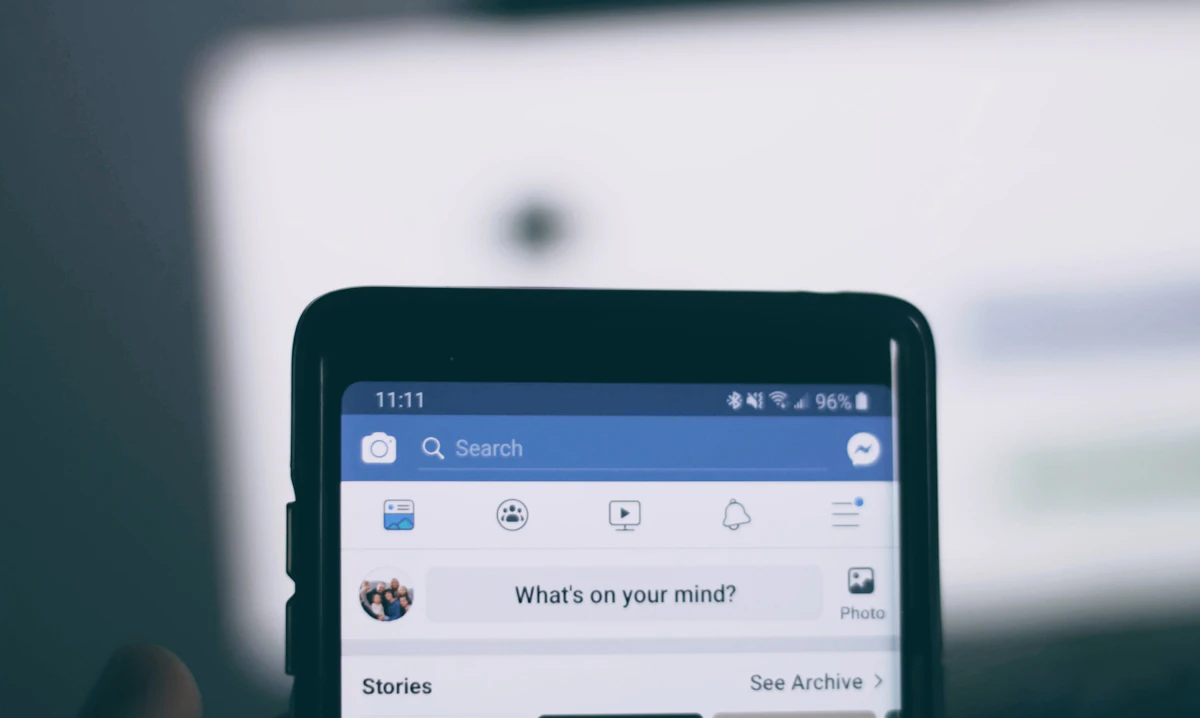
Facebook marketing involves using Facebook Pages, posts, videos, Groups, Messenger, and paid advertising to connect with an audience and promote a business.
Businesses can share updates, answer customer questions, publish educational content, promote offers, and build relationships with people who are interested in their products or services.
Facebook can be particularly useful for businesses that rely on local communities, detailed information, customer discussions, or lead generation.
Common Facebook marketing activities include:
- Publishing educational posts and business updates.
- Sharing videos, customer stories, and product demonstrations.
- Participating in relevant Facebook Groups.
- Running targeted advertising campaigns.
- Using lead forms or directing visitors to a website.
- Responding to customer enquiries through comments and Messenger.
Facebook is not limited to one type of business. Its usefulness depends on whether the people you want to reach actively use the platform and whether its features suit your marketing objectives.
What Is Instagram Marketing?
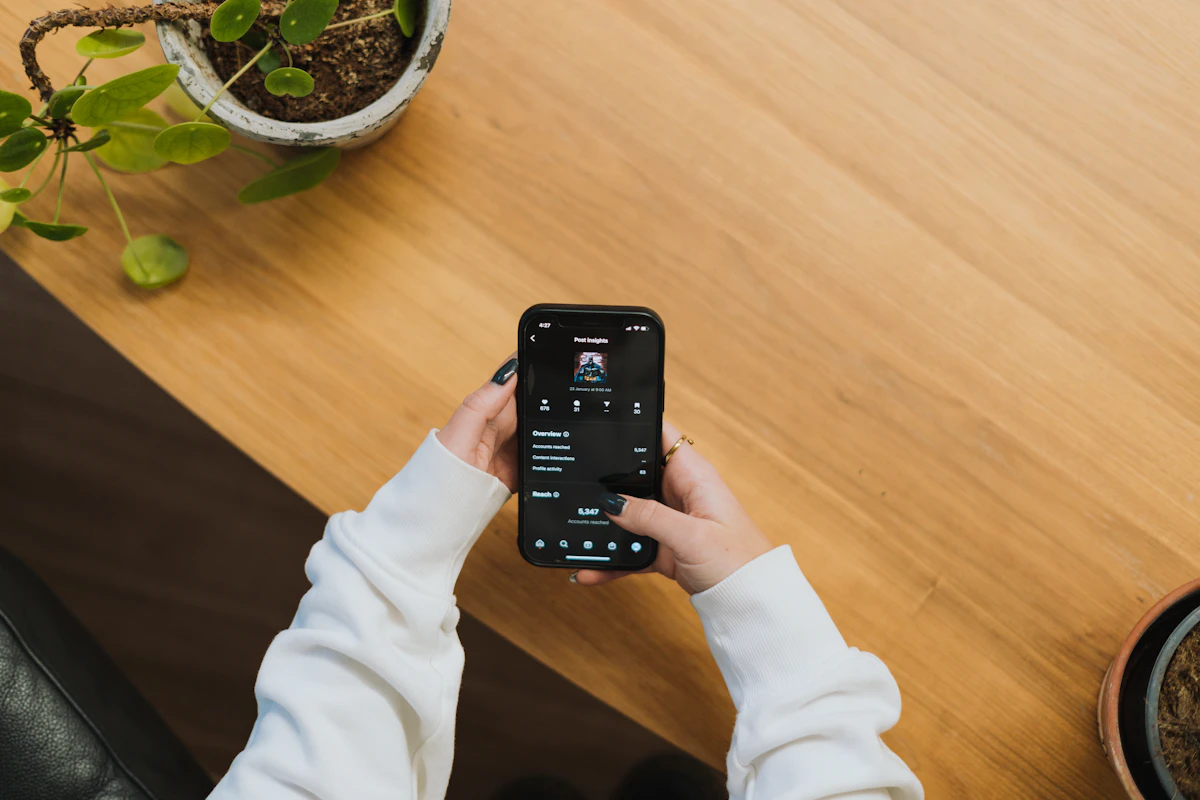
Instagram marketing uses visual content, Reels, Stories, posts, creator collaborations, and advertising to introduce a business to potential customers.
The platform is especially useful when a product or service can be demonstrated through images, short videos, tutorials, or behind-the-scenes content.
For example, a restaurant can showcase its dishes, a clothing brand can demonstrate new collections, and a fitness business can publish exercise demonstrations.
Common Instagram marketing activities include:
- Publishing Reels and short-form videos.
- Sharing product photos and demonstrations.
- Using Stories for updates and promotions.
- Collaborating with relevant creators.
- Responding to customer questions through direct messages.
- Running advertisements to reach relevant audiences.
Instagram can help businesses communicate their identity visually and encourage potential customers to explore their products or services.
Facebook Marketing vs Instagram Marketing: Key Differences
Facebook and Instagram serve different content and audience needs. The following comparison can help you decide where to concentrate your efforts.
| Feature | Facebook Marketing | Instagram Marketing |
|---|---|---|
| Content style | Text, images, videos, links, Groups and events | Images, Reels, Stories and visual posts |
| Community building | Groups, Pages and discussions | Followers, comments, Stories and direct messages |
| Product discovery | Posts, recommendations, Marketplace and advertising | Reels, Explore, Stories and visual content |
| Website traffic | Useful for sharing links and detailed updates | Links in Stories, profiles, advertisements and other supported placements |
| Lead generation | Pages, Messenger, lead forms and advertising | Direct messages, lead forms and advertising |
| Best content approach | Informative, community-oriented and promotional | Visual, demonstrative and storytelling-focused |
| Best starting point | Businesses whose customers use Facebook communities and Pages | Businesses whose offers benefit from visual presentation |
Neither platform is automatically better for every business. Actual results depend on audience behaviour, creative quality, targeting, the offer, and the customer journey.
Facebook vs Instagram: Which Has the Better Audience for Your Business?
Your target audience should guide your decision more than platform popularity.
When Facebook May Be the Better Choice
Facebook can be a useful option when your customers seek local recommendations, detailed information, community discussions, or direct communication with businesses.
It may suit:
- Local service providers.
- Home improvement and repair businesses.
- Community organisations.
- Businesses promoting local events.
- Companies whose customers use Facebook Groups.
- Businesses that benefit from detailed posts and customer discussions.
For example, a plumbing company could share service updates, answer questions in relevant local communities, and run an advertising campaign aimed at people in its service area.
The important factor is whether the intended customers are active on Facebook, not simply whether the business belongs to a particular industry.
When Instagram May Be the Better Choice
Instagram can be a strong option when visual presentation helps people understand the value of a product or service.
It may suit:
- Fashion and clothing brands.
- Restaurants and cafes.
- Beauty and skincare businesses.
- Fitness professionals.
- Travel and hospitality companies.
- Brands that benefit from product demonstrations.
For example, a restaurant can use Reels to show how a dish is prepared, Stories to communicate daily offers, and posts to highlight its menu and atmosphere.
Instagram can help create interest, but businesses should also provide clear next steps for people who want to enquire, book, or purchase.
Facebook Ads vs Instagram Ads
Organic content is only one part of social media marketing. Paid advertising can help businesses reach specific audiences and test different offers.
Facebook and Instagram advertising are managed through Meta’s advertising system, allowing advertisers to use shared campaign tools and select placements based on their objectives.
Facebook Advertising
Facebook placements may be useful for campaigns that promote local services, detailed offers, events, website visits, or lead generation.
Businesses can test different audiences, advertising messages, images, and videos. Depending on the campaign setup, they may also use lead forms or direct people to a landing page.
Instagram Advertising
Instagram placements can be useful for visually demonstrating products, introducing a brand, promoting short videos, and encouraging enquiries.
Reels, Stories, and feed placements allow businesses to experiment with different creative formats and calls to action.
Which Platform Has Lower Advertising Costs?
There is no universal rule that Facebook advertising is always cheaper than Instagram advertising, or the other way around.
Costs depend on factors such as audience competition, campaign objective, creative quality, geographic market, and conversion rate.
Rather than choosing a platform based on assumed advertising costs, compare the results that matter to your business:
- Cost per qualified lead.
- Cost per purchase.
- Conversion rate.
- Revenue generated.
- Return on advertising spend.
A campaign with inexpensive clicks may still perform poorly if those visitors do not become customers.
Can You Use Facebook and Instagram Together?
Yes. For many businesses, using both platforms can provide a more flexible marketing strategy.
Instead of publishing identical content everywhere, adapt the format to suit each platform.
For example, a digital marketing agency could publish an educational carousel on Instagram, share a more detailed explanation on Facebook, and use a short video to introduce a service on both platforms.
A combined approach can help you:
- Reach customers through different content formats.
- Test which messages generate meaningful engagement.
- Direct interested users to a service page or enquiry form.
- Retarget eligible audiences where appropriate.
- Compare results and allocate future budgets based on performance.
However, using both platforms is not compulsory. A business with limited time or budget may achieve better results by concentrating on the channel where its customers are most active.
How to Choose Between Facebook and Instagram Marketing
Follow this practical process before investing in either platform.
Step 1: Define Your Marketing Goal
Decide whether your priority is brand awareness, website traffic, enquiries, bookings, or sales.
Your objective determines which content formats and advertising measurements are most relevant.
Step 2: Identify Your Ideal Customer
Consider the location, needs, interests, buying behaviour, and preferred communication methods of your target customers.
Use existing customer information and campaign results rather than relying entirely on general assumptions about age groups or platform popularity.
Step 3: Match the Content to the Platform
If customers need to see your product in action, test visual content on Instagram. If they need detailed explanations, community interaction, or local recommendations, test suitable Facebook formats.
Some businesses can benefit from both approaches.
Step 4: Test a Small Campaign
Choose a clear objective and create a small, controlled test. Where practical, keep the audience, offer, and measurement method comparable.
Allow sufficient time and data to evaluate results. Avoid making major decisions from a handful of clicks or enquiries.
Step 5: Measure Business Results
- Track meaningful outcomes rather than followers or likes alone.
- Review qualified enquiries, purchases, cost per acquisition, and revenue where applicable. Continue investing in the channel that produces valuable results for your business.
Common Facebook and Instagram Marketing Mistakes
Even a well-designed campaign can underperform when its strategy is unclear.
Publishing identical content without adaptation: A detailed text update may work differently from a short visual demonstration. Adjust the format and message for the intended audience.
Focusing only on engagement: Likes and comments can provide useful feedback, but they do not necessarily indicate sales or qualified enquiries.
Ignoring the landing page: An advertisement may attract visitors, but a confusing website, unclear offer, or difficult contact form can prevent conversions.
Changing campaigns too frequently: Making repeated changes before enough data is available can make performance difficult to evaluate.
Ignoring follow-up: Responding promptly to enquiries and providing useful information can be important to turning interest into customers.
Conclusion
Facebook marketing and Instagram marketing both offer opportunities to promote a business, build relationships, and generate customers. The better platform is the one that aligns with your audience, content, and commercial objectives.
Start by identifying your ideal customers, testing relevant content, and measuring meaningful results. If both platforms reach valuable audiences, use them together with a strategy tailored to each channel.
Antigua Web Solutions can help businesses develop a social media marketing strategy, improve their online presence, and connect social campaigns with broader digital marketing goals. Focus on the channels that help your business reach the right people and turn their interest into measurable outcomes.
Frequently Asked Questions
Which is better for marketing, Facebook or Instagram?
It depends on your customers and business goals. Facebook may be useful for community-oriented marketing, local services, and detailed updates. Instagram may be useful for visual discovery, product demonstrations, and brand storytelling. Test both when your audience uses both platforms.
Is Instagram better than Facebook for small businesses?
Not always. Small businesses should choose based on where their customers are active and which platform generates valuable enquiries or sales. A visually driven business may favour Instagram, while a local service provider may benefit from Facebook.
Are Facebook Ads and Instagram Ads managed separately?
Both platforms can be managed through Meta Ads Manager. Advertisers can configure campaigns and placements according to their objectives, audience, creative assets, and campaign settings.
Should businesses post on Facebook and Instagram every day?
Daily posting is not a universal requirement. A consistent, sustainable schedule with useful content is generally more practical than publishing low-quality posts simply to maintain frequency.
Can social media marketing help generate website traffic?
Yes. Businesses can use posts, advertising, profile links, and other supported features to direct interested users to relevant website pages. Traffic quality and conversion performance should be measured alongside visitor numbers.
How long does it take to see results from social media marketing?
The timeline depends on the audience, offer, content quality, budget, and campaign objective. Paid campaigns can provide early performance signals, while building an engaged audience through organic content often requires consistent effort over time.