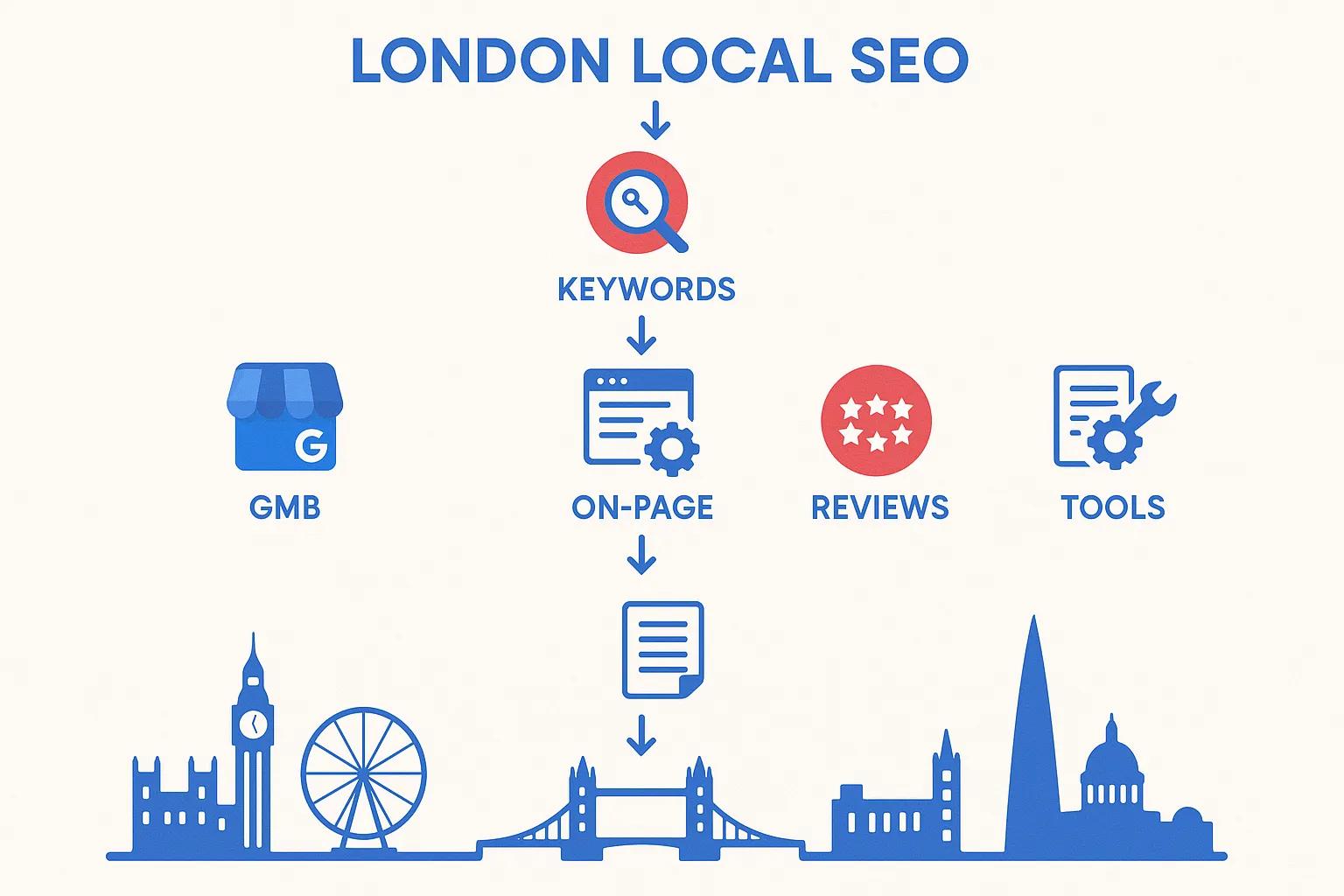
Local SEO services tailored for London businesses

How to Boost Your Local Online Presence in London
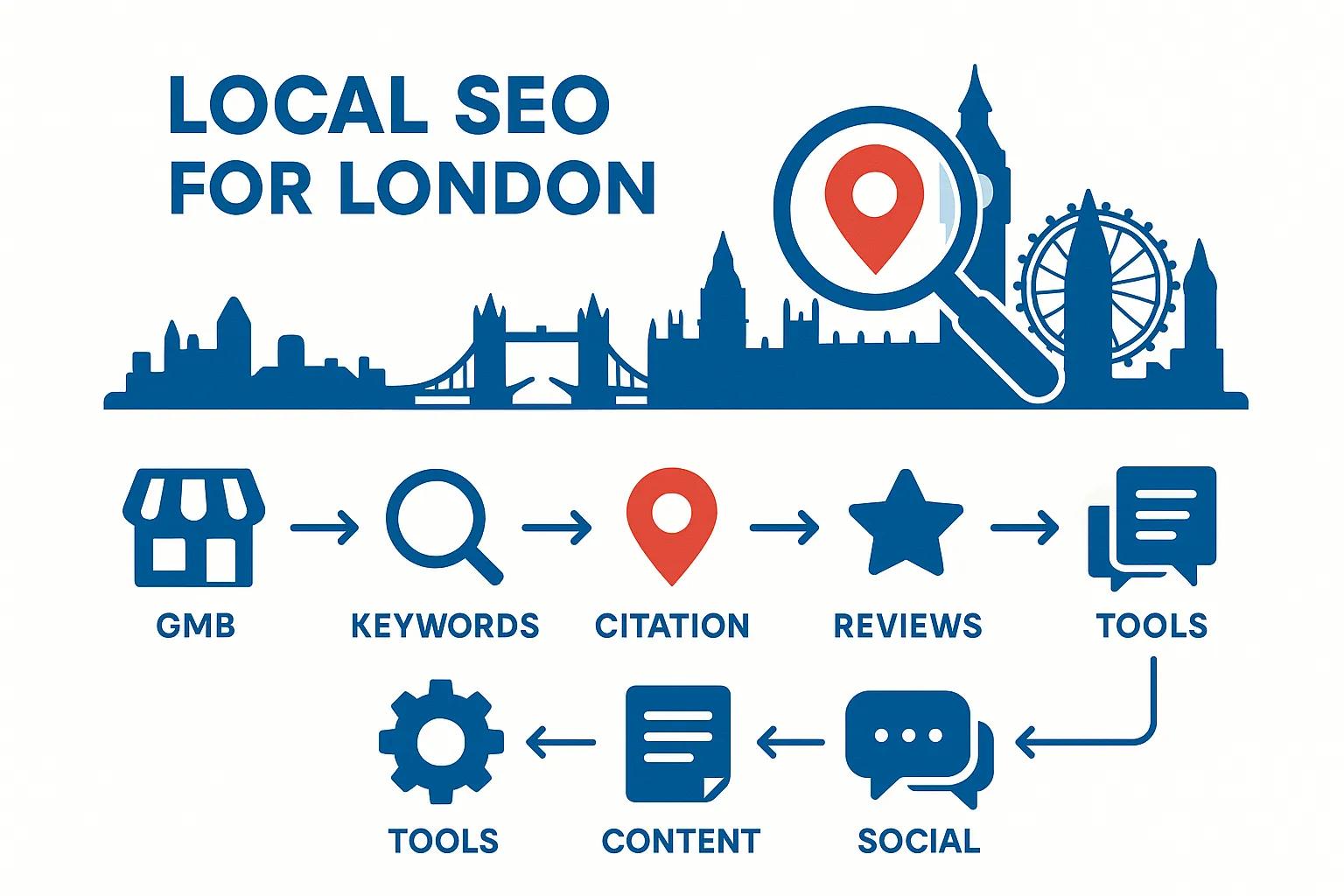
In London’s crowded marketplace, local businesses need practical, proven tactics to be found by nearby customers. Local SEO does exactly that: it helps people searching in your area discover your services and boosts your visibility in search engines and on maps. This guide walks through the high-impact steps — from optimising your Google My Business profile to targeted local keyword research and citation building — so you can turn local searches into real customers. Many small businesses miss opportunities because they don’t appear in local results; with the right approach, you can close that gap and drive more footfall and online leads.
Recent studies underline that strong local SEO strategies directly support customer acquisition and sales growth.
Local SEO: Attracting Foot Traffic & Local Customers
Local digital marketing, especially local SEO, helps businesses reach people actively searching for nearby services. When search is used to find local options, optimised listings and local search presence translate into more visits and stronger customer loyalty — making local SEO a core part of any small-business marketing plan.
Analyzing the Impact of Emerging Digital Marketing Strategies: A Case Study on the Effectiveness of SEO, Social Media, in Small Businesses
Key Takeaways
- Local SEO services help London businesses reach nearby customers through targeted, location-specific tactics.
- Optimising your Google My Business profile improves local rankings and helps with voice-search discovery.
- Claiming and verifying your Google My Business listing guarantees accurate details and builds trust.
- Local keyword research reveals the search terms your neighbours actually use, so you can tailor content that converts.
- Consistent citations (name, address, phone) across directories strengthen search-engine trust and local rankings.
- Proactively managing reviews — encouraging feedback and replying promptly — protects your reputation and earns trust.
- Tools like Google My Business Insights and BrightLocal simplify tracking and optimisation.
- Create localised content and stay active on social to deepen community connections and boost local search performance.
Google My Business Optimization
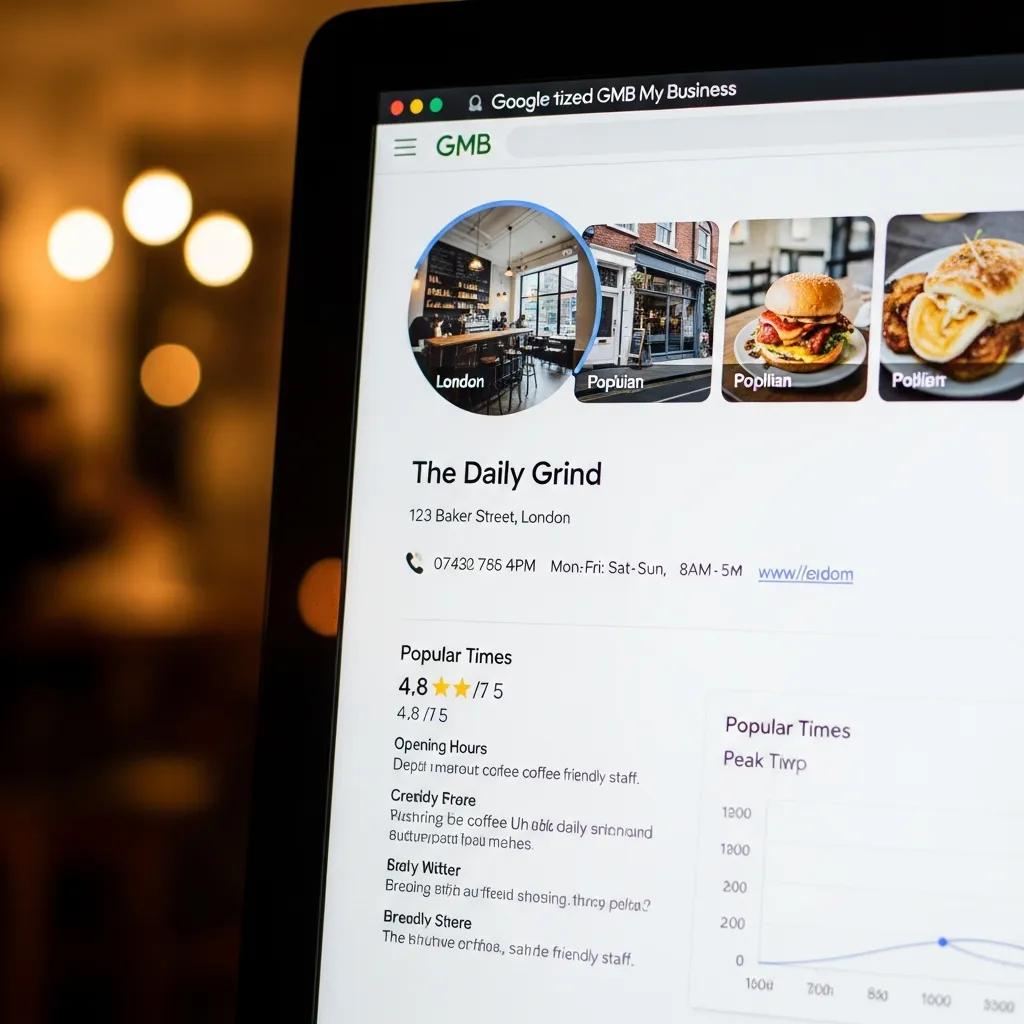
Your Google My Business (GMB) profile is one of the fastest ways to improve local visibility. GMB controls how your business appears on Google Search and Maps, so getting it right increases the chances you’ll show up when locals look for your services. Core steps include claiming and verifying your listing, keeping every field accurate, and using GMB features—posts, photos and Q&A—to engage searchers.
GMB is also central to local voice search: when voice assistants query nearby businesses, a complete and verified profile helps ensure your details are returned correctly.
Google My Business for Local Voice Search SEO
Most voice searches are local in intent, so having a verified Google My Business listing makes it easier for search engines and voice assistants to find and present your business information to users.
Research on search engine optimization strategy for voice search, 2021
Claim and Verify Your Listing
Start by claiming and verifying your GMB listing to take control of how your business appears. Sign in at the Google My Business website, follow the verification steps (phone, email or postcard) and confirm your details. Verification lets you update hours, add services, reply to reviews and publish posts — all actions that improve your local performance.
Complete Your Profile
Fill every relevant field: business name, full address, phone number, opening hours and service areas. Add clear, high-quality photos and a concise, benefit-focused description that tells customers what makes you different. A complete profile builds trust and increases the chances people choose you over competitors.
Local Keyword Research

Local keyword research uncovers the actual phrases people nearby use when searching for products or services. Use keyword tools, review competitor listings and add local modifiers (neighbourhoods, landmarks) to your terms. This ensures your pages and content match local search intent and attract qualified visitors.
If you prefer, local keyword research services can pinpoint high-traffic, city-specific phrases so your website targets the best opportunities.
For retailers and service businesses, focused local optimisation is essential to capture organic traffic and appear in Google’s local results.
Local SEO for Retailers: Google Optimization & Organic Traffic
This research highlights the importance of locally optimising retail businesses for search engines to drive organic traffic. It offers practical recommendations for retailers to improve Google placement, increase visibility in the Local Pack and boost conversions.
Business optimization in the digital age: Insights and recommendations, A Natorina, 2020
On-Page Optimization
On-page optimisation helps individual pages rank for local queries. Use local keywords in page titles, headers and meta descriptions, and weave them naturally through your content. Add schema markup to give search engines structured details about your business and create pages that speak directly to local needs and questions.
Local Citation Building
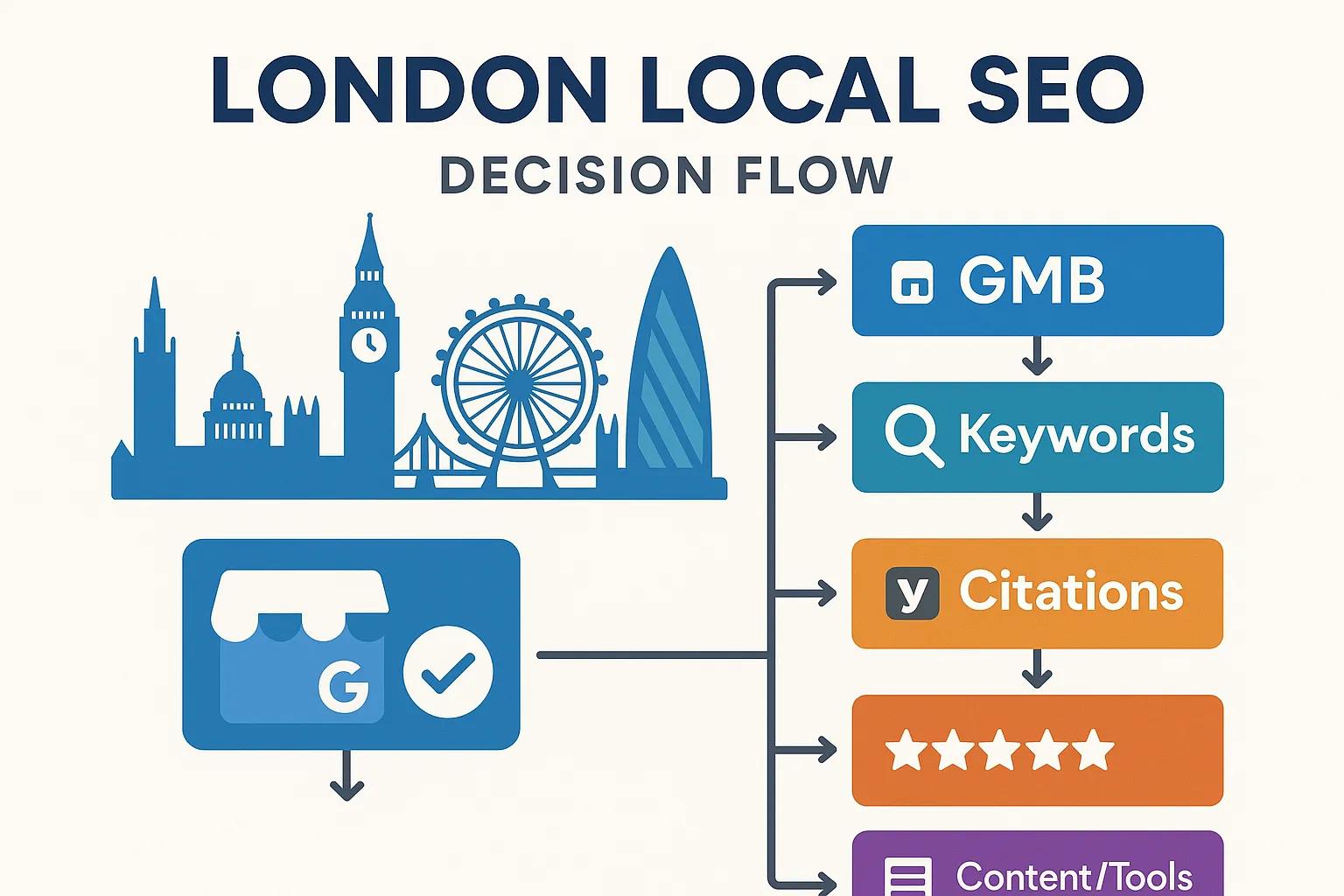
Local citation building means listing your business on trusted directories and platforms. Consistent NAP (name, address, phone) data across these listings helps search engines verify your business and improves local rankings. More quality citations = more credibility and visibility.
Importance of Local Citations
Citations signal to search engines that your business is real and relevant to a location. Listings on reputable sites increase trust and can push you higher in local results — but the key is consistency: mismatched details confuse both search engines and customers.
Directory Listings
Register on local directories like Yelp, Yellow Pages and TripAdvisor, and keep those entries up to date. These listings offer backlinks and exposure to customers searching those platforms. Regularly check and refresh your listings, and respond to any customer feedback you receive there.
Online Reviews and Reputation Management
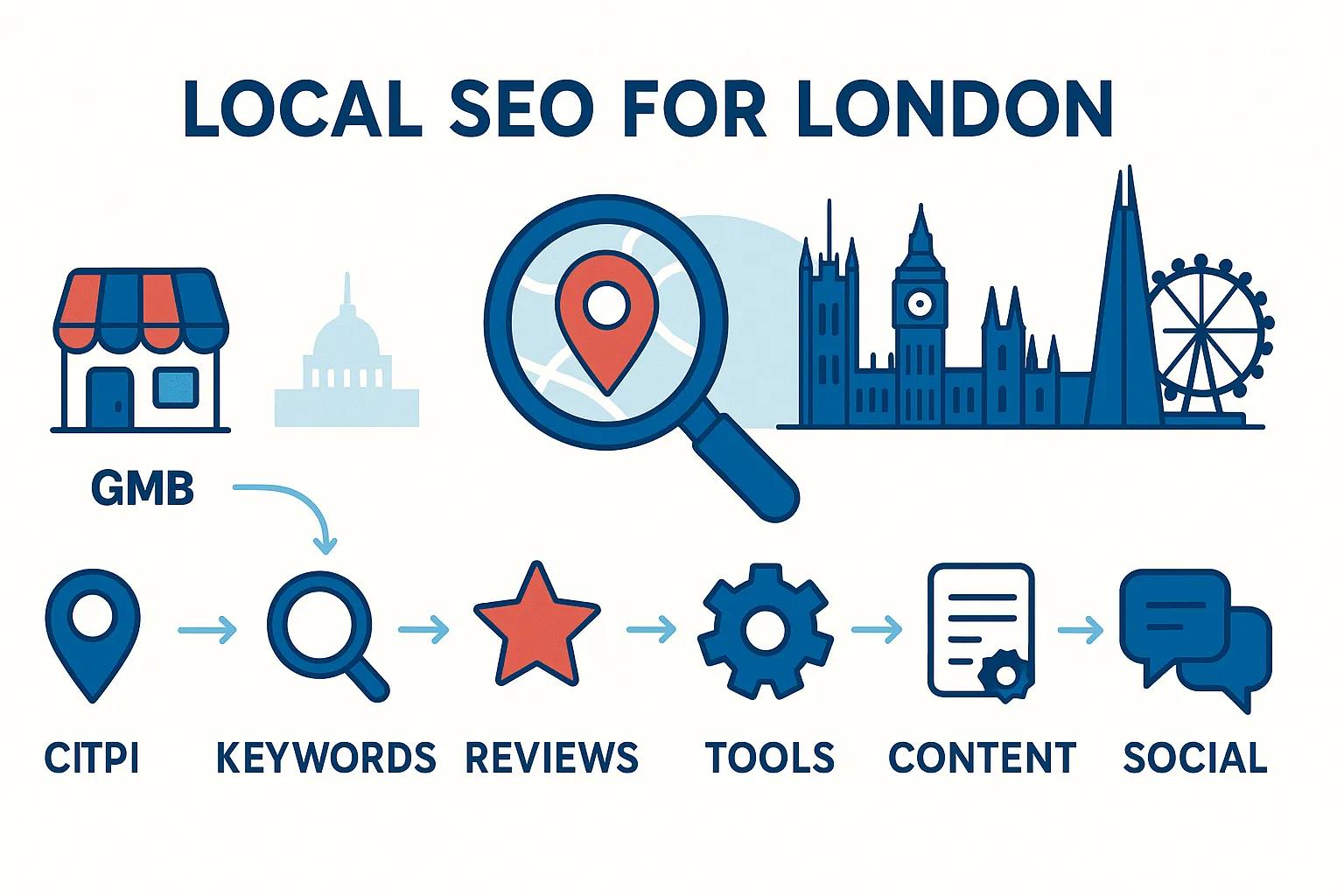
Reviews are one of the most visible trust signals for local customers. Positive reviews drive decisions; negative ones can deter prospects. Encourage happy customers to leave feedback and respond to reviews promptly and politely — this shows you care and helps protect your reputation.
Encourage Reviews
Ask for reviews after a purchase or service, include prompts in follow-up emails, or add a review link on receipts. Make it simple for customers to share their experience, and highlight strong reviews on your website and social channels.
Respond to Reviews
Reply to both praise and complaints. Thank customers for positive feedback and offer to resolve issues raised in negative reviews. Thoughtful responses demonstrate professionalism and can turn a poor review into a chance to regain trust.
Local SEO Tools
The right tools save time and reveal opportunities. Google My Business Insights, BrightLocal and Moz Local help you track visibility, monitor citations, and manage reviews so you can focus on what works.
Google My Business Insights
GMB Insights shows how customers find and interact with your listing — views, clicks, calls and direction requests. Use this data to refine your listings and inform content choices.
BrightLocal
BrightLocal offers citation tracking, review monitoring and local rank checks. It’s useful for spotting inconsistencies and measuring progress across multiple locations.
Content Marketing
Local content connects with your community and builds trust. Share case studies, local news and practical guides that answer common local questions — these pieces both help customers and improve local search relevance.
Showcase Local Case Studies
Case studies demonstrate real results and build credibility. Highlight the problem, your approach and the local outcome to show prospective customers what you can do.
Utilize Various Content Formats
Mix blog posts, videos and infographics to reach different audiences. Localise topics by referencing neighbourhoods, events and community concerns to increase relevance and engagement.
Social Media Engagement
Social platforms help you connect directly with local customers. Regular posts, timely replies and local updates keep your brand top of mind and drive traffic to your site and listings.
Maintain an Active Presence
Post updates, offers and local news consistently to stay visible. An active profile signals a current, engaged business and encourages interactions.
Promote Local Events
Share and promote community events to show your local commitment. Event promotion raises awareness and drives both online engagement and real-world visits.
Engage with Followers
Reply to comments and messages to build relationships. Engaged followers are more likely to recommend you and visit in person.
Frequently Asked Questions
How does local SEO differ from traditional SEO?
Local SEO focuses specifically on optimizing a business’s online presence to attract local customers, while traditional SEO aims for broader visibility across the internet. Local SEO strategies include optimizing Google My Business listings, local citations, and using location-specific keywords. This targeted approach helps businesses appear in local search results and maps, making it essential for companies that rely on foot traffic and local clientele.
What are some common mistakes to avoid in local SEO?
Common mistakes in local SEO include neglecting to claim and verify your Google My Business listing, inconsistent NAP (name, address, phone) information across directories, and failing to respond to customer reviews. Additionally, not conducting local keyword research can lead to missed opportunities. Businesses should also avoid using generic content that doesn’t resonate with local audiences, as this can diminish engagement and visibility.
How often should I update my Google My Business profile?
It’s advisable to update your Google My Business profile regularly, ideally every month or whenever there are changes to your business. This includes updating hours, adding new services, and posting updates or promotions. Frequent updates keep your listing relevant and engaging, which can improve your local search rankings and attract more customers.
Can I use paid advertising alongside local SEO?
Yes, using paid advertising in conjunction with local SEO can be highly effective. While local SEO builds organic visibility over time, paid ads can provide immediate exposure to local customers. Combining both strategies allows businesses to maximize their reach, ensuring they appear in both organic search results and paid placements, which can lead to increased traffic and conversions.
What types of content should I create for local SEO?
For local SEO, create content that resonates with your community, such as blog posts about local events, case studies showcasing your work with local clients, and guides that address common local questions. Additionally, using various formats like videos and infographics can enhance engagement. Localized content helps establish your business as a trusted resource and improves your visibility in local search results.
How can I measure the success of my local SEO efforts?
To measure the success of your local SEO efforts, track key metrics such as website traffic, search rankings for local keywords, and the number of calls or direction requests from your Google My Business listing. Tools like Google My Business Insights and BrightLocal can provide valuable data on visibility and engagement. Regularly reviewing these metrics will help you refine your strategies and improve your local presence.
Is it necessary to hire a professional for local SEO?
While it’s possible to manage local SEO in-house, hiring a professional can provide expertise and save time. Professionals are often familiar with the latest trends, tools, and best practices, which can lead to more effective strategies. If your business lacks the resources or knowledge to implement a comprehensive local SEO plan, investing in a specialist can yield significant returns in visibility and customer engagement.
What are the benefits of local SEO for small businesses in London?
Local SEO helps small London businesses appear in searches by people nearby, which can increase footfall and local orders. It also builds credibility through consistent listings and reviews, making it easier for customers to trust and choose your business over competitors.
How can I improve my Google My Business profile?
Complete every field in your profile: accurate contact details, opening hours, clear photos and a succinct description. Post updates regularly, respond to reviews and use GMB features like services and posts to keep your listing fresh and useful.
What role do online reviews play in local SEO?
Reviews influence both customers and search rankings. A steady flow of positive feedback signals relevance and trust to search engines, while your responses show you value customers. Together, this improves visibility and conversion.
How can local keyword research enhance my SEO strategy?
Local keyword research identifies the exact phrases people use in your area, so you can optimise pages and content to match their intent. That targeted alignment increases the chances your site appears for relevant, converting searches.
What are local citations, and why are they important?
Local citations are mentions of your business’s name, address and phone number across directories and sites. Consistent citations help search engines verify your business and improve your chances of ranking in local searches.
How can social media engagement impact my local SEO?
Active social profiles increase visibility, drive traffic to your site and encourage community engagement. While social signals aren’t a direct ranking factor, they support local awareness, referrals and interactions that boost overall local performance.
What tools can help me with local SEO optimization?
Tools like Google My Business Insights, BrightLocal and Moz Local help you monitor listings, track rankings and manage reviews. They make it easier to spot issues, measure results and keep your local presence consistent.
Conclusion
Local SEO is one of the most effective ways for London businesses to get found by nearby customers. Focus on a verified Google My Business profile, targeted local keyword work, consistent citations and active review management — and pair those steps with local content and social engagement. Small, consistent improvements add up: start today and watch your local visibility and customer enquiries grow.